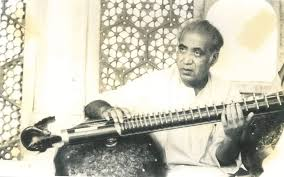
The School of Indian Music and Dance proved to be a successful venture, and in the same year John Floore, director of Rotterdam Conservatory, invited me to set up an Indian music program at his school, with singer and vina player Zia Mohiuddin Dagar as its first artistic leader. The program offered intensive training in dhrupad singing, and the main instruments of Hindustani music: tabla, bansuri, sitar, sarod, sarangi and violin.
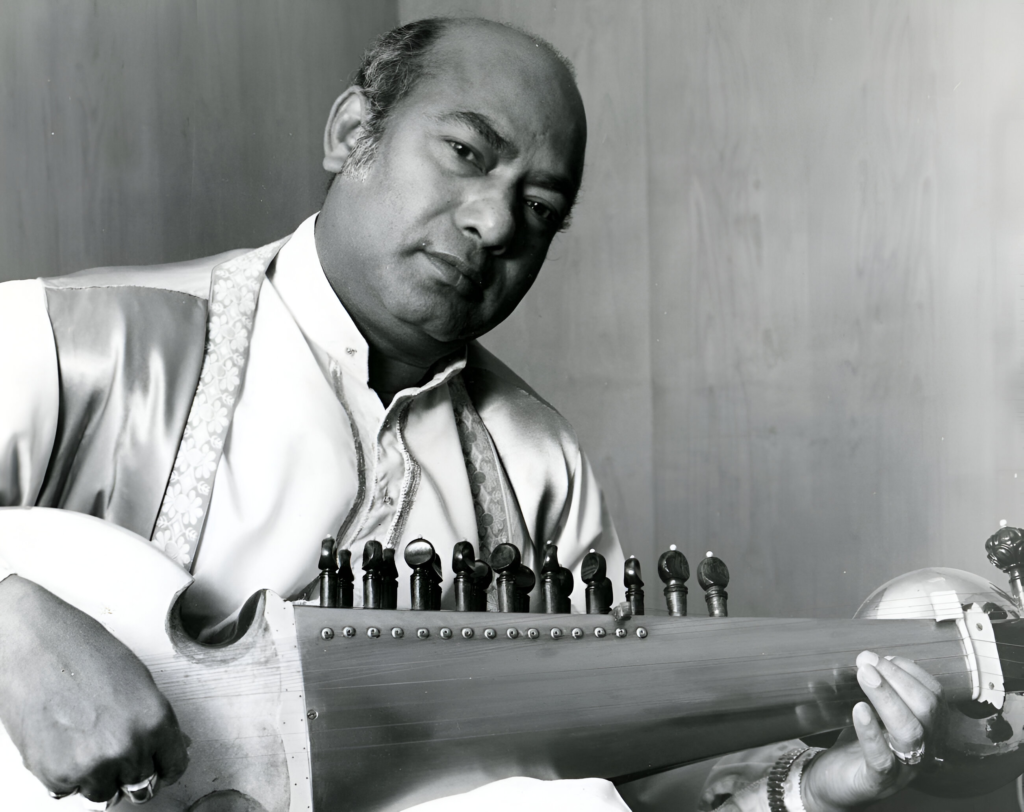
The official opening of this program in December 1987, with a workshop by sarod maestro Ali Akbar Khan attracted much publicity.
Over the years many other celebrated musicians from India were guest teachers at the Rotterdam Conservatory: vocalists Prabha Atre, Vinaya Chandra Moudgalya, Shruti Sadolikar, Ajoy Chakraborty, Vidyadhar Vyas, Zia Fariduddin Dagar and Uday Bhawalkar, sarangi players Ram Narayan and Dhruba Ghosh, tabla players Lateef Ahmed Khan, Faiyaz Khan, Vijay Ghate and Zakir Hussain, sitar players Budhaditya Mukherjee and Arvind Parikh, sarod player Buddhadev Dasgupta, and so on.

In September 1990, pianist-composer Jan Laurens Hartong and I founded a World music department at the Rotterdam Conservatory, with myself as head of the new department and coordinator of the Indian music program. The department was unique as there was no conservatory in Europe where the musics of the world were taught at a professional level. (It should also be emphasized that the department offered a different kind of training than ethnomusicology or world music programs as it focused on practical skills and performance.) J.L. Hartong was coordinator and artistic leader of the Latin music program, and maestro Paco Peña conducted the flamenco guitar training which was coordinated by Ricardo Mendeville.

In the following year I appointed the renowned flautist Hariprasad Chaurasia as the new artistic leader of the Indian music section, and two years later Argentinian tango was added to the department, with the legendary tango pianist-composer Osvaldo Pugliese as artisitic leader, and bandoneonists Carel Kraayenhof and Leo Vervelde as coordinators of the program.

Organized with the help of this department and supported by Rotterdam Festivals and the Rotterdam Arts Council, the Rotterdam World Music Festival 1995 at Concert and Congress Centre de Doelen was a major event with performances by musicians from all over the globe, workshops, demonstration lectures, and three international conferences: the CHIME meeting East Asian Voices, the third Teaching World Music (TWM) symposium, and the European Seminar in Ethnomusicology (ESEM), 13-17 September 1995.
In the next year Leendert Pot’s film Saudade: Wereldmuziek in Rotterdam premiered in Rotterdam and Amsterdam. It was also shown on Dutch TV (NPS: Het Uur van de Wolf) on 29 September 1996.
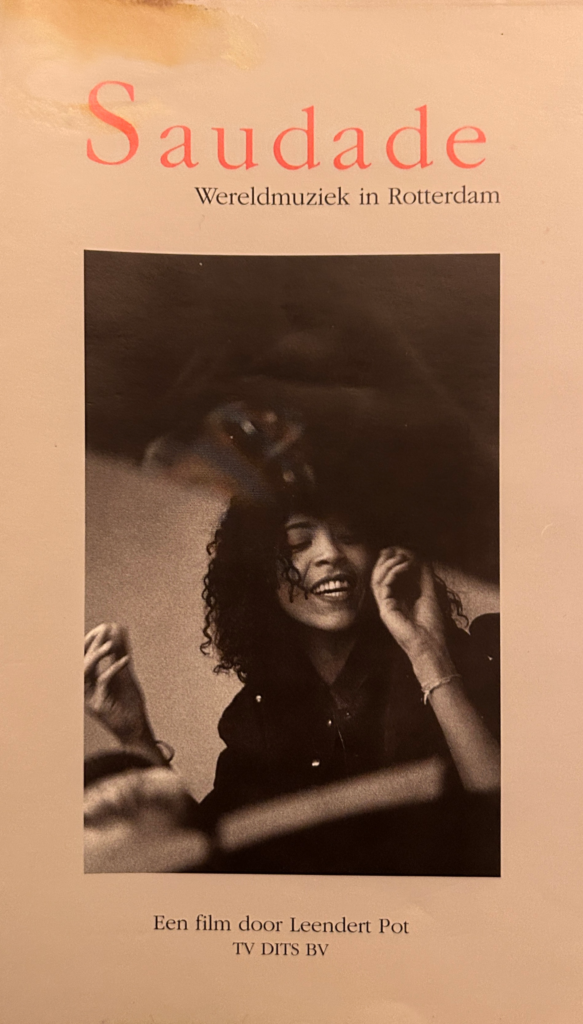
The scene of action is the World music department where students and teachers from far and wide encounter each other through their passion for music. As the camera roams through the corridors, each door conceals a musical world of its own. In one room you hear Paco Peña teaching a Dutch student flamenco guitar, in another you see Hariprasad Chaurasia teaching two Indian students bansuri, and in yet another room Luis Paiva conducts a Brazilian ensemble.
In September 1997, I established the Jazz, Pop and World music department at Rotterdam Conservatory, and three years later Turkish music was introduced into this department, with saz maestro Talip Özkan as the artistic leader of the program. I remained chair of the department till 2001.
A concert titled Four Masters, One World at de Doelen celebrated ten years of world music at the Rotterdam Conservatory and my farewell as founder and head of the department. For a short while Huib Schippers was my successor, and in September 2002 Leo Vervelde was appointed as the new head of world music. He reorganized the Turkish music program and appointed flute maestro Kudsi Erguner as the new artistic leader.